Where Were the Salem Witch Trials? Every Real 1692 Site You Can Still Visit
Published July 27, 2026 · Updated September 21, 2026
Come to Salem for the witch trials and you’ll find something a little disorienting: most of the “witch” attractions downtown are museums, wax figures, and gift shops built for the story — not the places where the story actually happened. The real sites of 1692 are quieter, more scattered, and easy to walk right past.
Here’s where the Salem Witch Trials truly took place, and which of those spots you can still stand on today. First, one thing to get straight, because nearly everyone has it wrong:
No one was burned at the stake in Salem. Nineteen people were hanged, and one — Giles Corey — was pressed to death under stones. The burnings belong to Europe, not Massachusetts.
A quick note on geography: two Salems
In 1692, “Salem” meant two connected places. Salem Town was the prosperous port — today’s downtown, where the courts sat and the executions happened. Salem Village was the poorer farming community inland where the accusations first erupted; it’s now the separate town of Danvers, a few miles north.
So the outbreak began in one place and the killing ended in another. Most of what you can visit is in downtown Salem Town — but the true completist will want the Village sites too, and we’ll point you there.
The real 1692 sites in Salem
These are the places with genuine, documented ties to the trials — the ground itself, not a recreation.
1. Proctor’s Ledge — the execution site
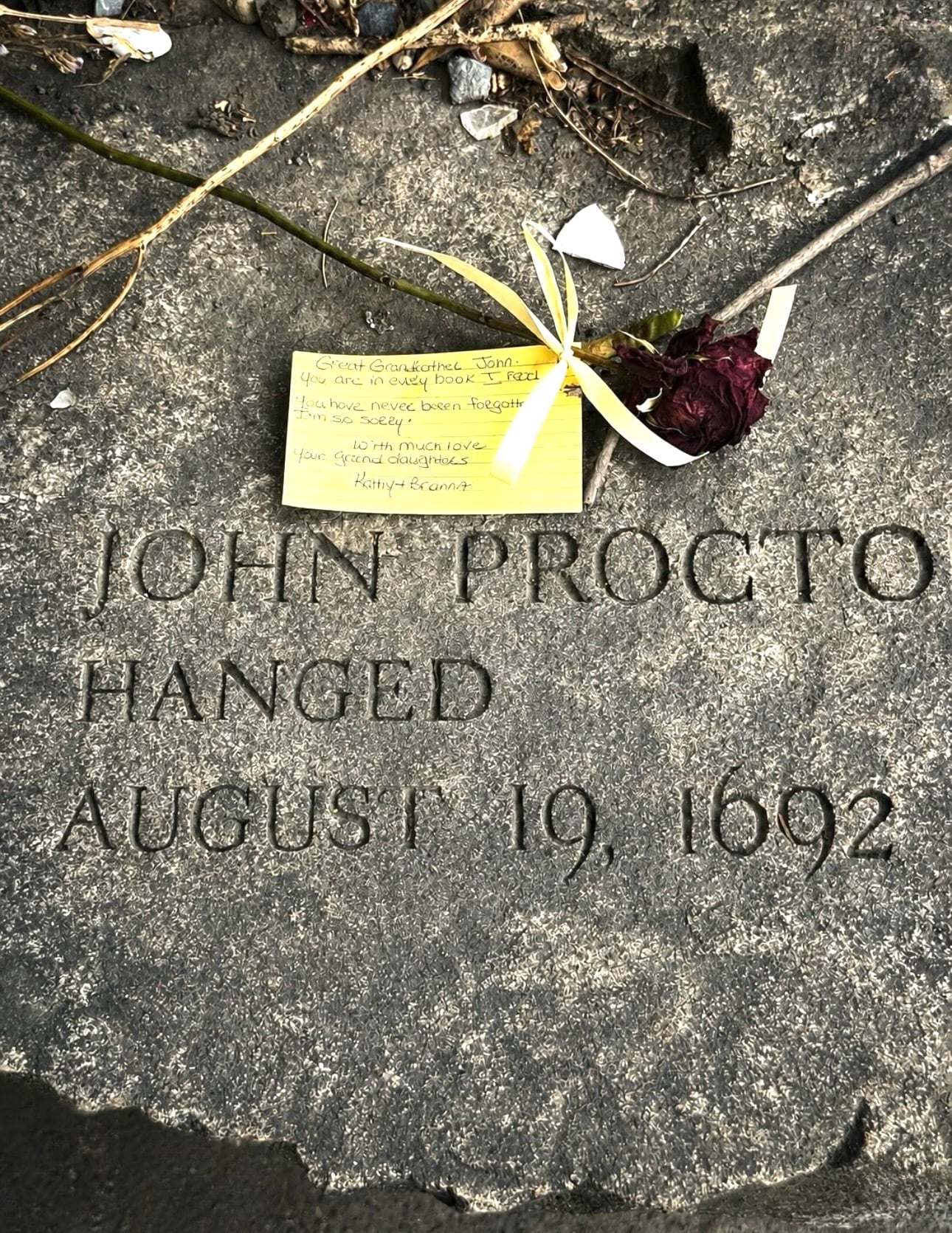
For three centuries no one knew exactly where the hangings happened. In 2016, a team of historians called the Gallows Hill Project confirmed it: a rocky outcrop at the base of Gallows Hill called Proctor’s Ledge. This is where nineteen innocent people were hanged in 1692. A low, semicircular stone wall inscribed with their names was dedicated on the site in 2017.
It sits in a residential neighborhood with no parking of its own — park up at Gallows Hill Park and walk down. It’s the most sobering spot in Salem, and the one most visitors never find.
📍 Proctor's Ledge Memorial — get directions on Google Maps →
See the venue page: Proctor’s Ledge Memorial.
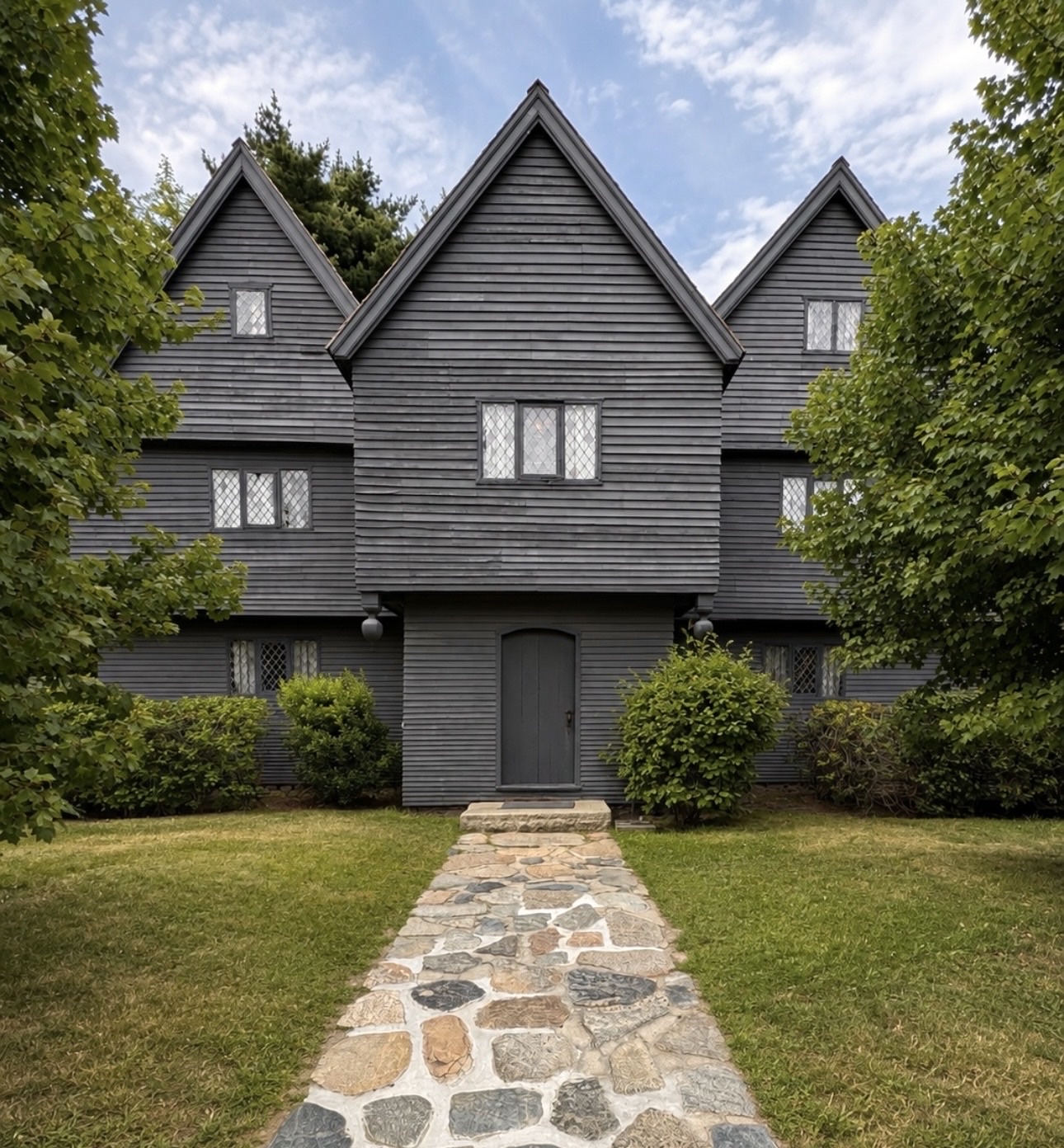
2. The Witch House — the only building left from 1692
The Witch House was the home of Jonathan Corwin, one of the magistrates who examined the accused. It is the only structure still standing in Salem with direct ties to the witch trials — and the only one you can actually step inside and walk the same rooms as the people who lived through 1692. If you visit one indoor site, make it this one.
3. The Salem Witch Trials Memorial
Dedicated in 1992 on the 300th anniversary, the Salem Witch Trials Memorial is a quiet stone courtyard with twenty benches — one for each person put to death — each carved with a name, a means of execution, and a date. Threshold stones at the entrance are inscribed with the victims’ own protests of innocence, cut off mid-sentence. It’s a place for reflection, not a photo op, and it’s all the more powerful for it.
4. The Burying Point & Charter Street Cemetery
Right beside the memorial lies The Burying Point (Charter Street Cemetery), Salem’s oldest graveyard, dating to 1637. None of the victims are buried here — the condemned were denied consecrated ground — but several figures of 1692 are, including trial judge John Hathorne, the “hanging judge” whose descendant Nathaniel later added a “w” to the family name to distance himself from this very history. Start at the Charter Street Cemetery Welcome Center to get your bearings.
Just beyond Salem: the Village where it started (Danvers)
If you want the origin of the whole tragedy, drive fifteen minutes north to Danvers — old Salem Village. There you’ll find the Rebecca Nurse Homestead, the preserved farm of the 71-year-old grandmother whose hanging turned many locals against the trials, and the archaeological site of the Salem Village Parsonage, where the first “afflicted” girls lived in Reverend Parris’s household. These sites are outside Salem proper (and our directory), but they’re the true ground zero of 1692.
Museums that tell the story (vs. sites where it happened)
Salem’s witch museums are worth your time — just know the difference. They interpret and dramatize the history; they aren’t original 1692 locations.
- Salem Witch Museum — the classic narrated overview in a dramatic old church building; the best single introduction if you know nothing going in.
- Witch Dungeon Museum — a live reenactment of an actual 1692 examination, plus a recreation of the jail.
Both are great context. Neither is where it happened — that’s Proctor’s Ledge and the Witch House.
See them all in one afternoon
The downtown sites — the Memorial, the Burying Point, the Witch House — sit within a few walkable blocks, with Proctor’s Ledge a short drive or a fifteen-minute walk beyond. For the stories the plaques leave out, a guided walk is worth it: Witch City Walking Tours and Salem’s other history guides connect the sites into the full arc of 1692 (see our roundup of the best night tours in Salem).
Plan your visit
The Salem Witch Trials weren’t a legend — they happened to real people, on ground you can still walk. Stand at Proctor’s Ledge, read the names on the memorial benches, and it stops being a Halloween cliché and becomes what it was: a town that killed twenty of its own neighbors, and has spent three centuries reckoning with it.
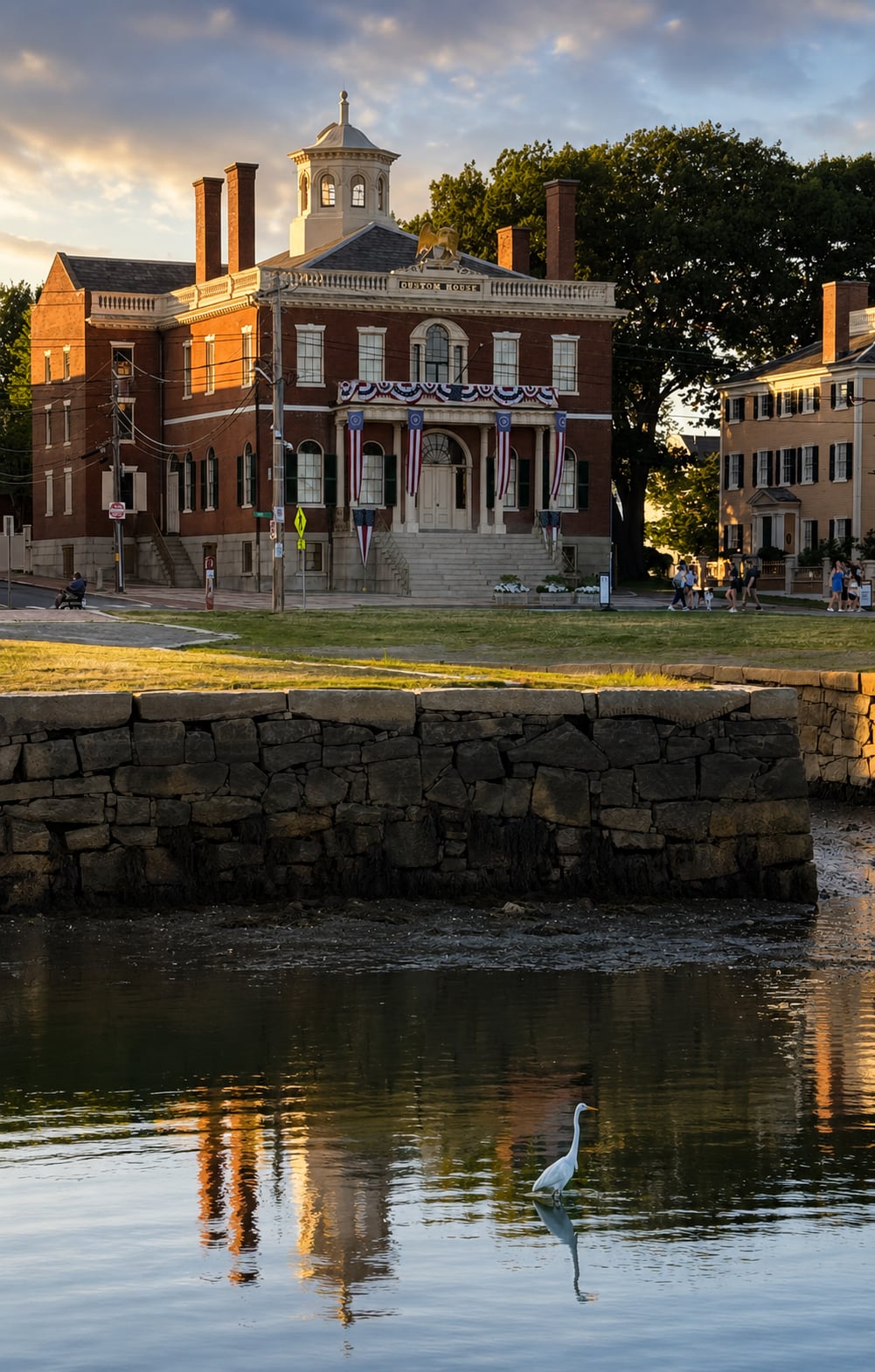
A Saturday that walks the real ground in order — Charter Street, the memorial, the Witch House, the Custom House and Derby Wharf, with Proctor’s Ledge and the Peabody Essex on the shortlist — is timed stop by stop below.
When you come, see what else is on while you’re in town with our Salem events calendar, map out the day with our 2 hours in Salem guide, and browse the full directory of Salem’s historic sites, tours, and museums. Salem doesn’t hide its history — it asks you to stand right where it happened.